


Valve’s subsequent VR headset could also be simply across the nook, as provide chain leaks counsel the gadget has now entered mass manufacturing.
The Information
The ‘XR Analysis Institute’, a Chinese language analysis group chargeable for earlier leaks surrounding Ray-Ban Meta, claims that Valve is now ramping manufacturing of its subsequent VR headset.
As first reported by UploadVR, the group claims Valve is aiming for a manufacturing quantity of 400,000 – 600,000 models this yr.
Chinese language language WeChat person ‘BlackHairSheriff008’ says in a now-deleted WeChat submit that the gadget is concentrating on launching in This autumn 2025 to capitalize on the Vacation buying season.
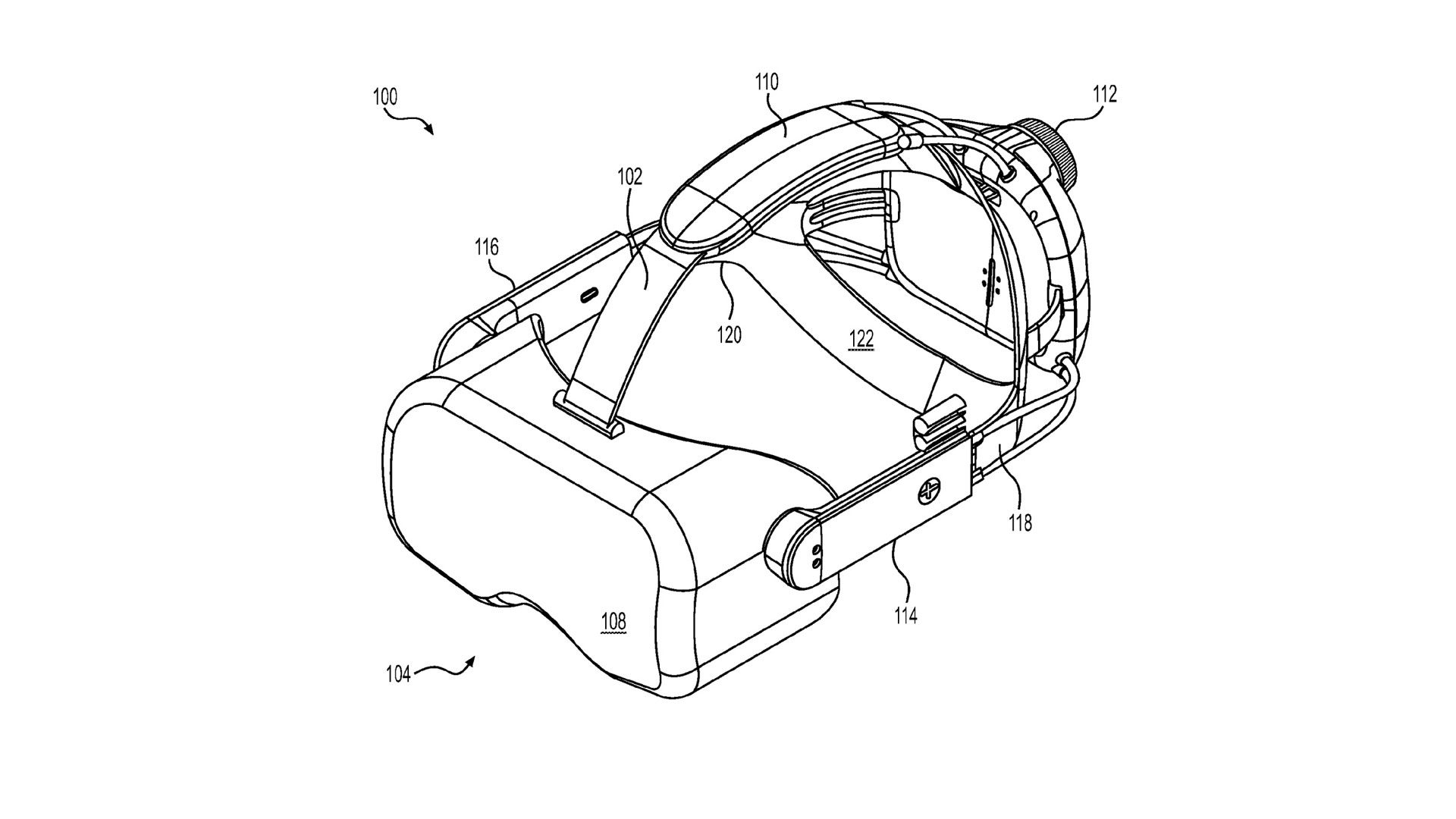
From BlackHairSheriff’s article, it’s not clear exactly what kind of VR headset Valve is supposedly manufacturing proper now, at the very least in accordance with the XR Analysis Institute leak. The poster suggests Valve might title the gadget “Index 2”.
What’s extra, the now-deleted article acknowledged that Valve was manufacturing the gadget in Shandong, China, nonetheless the submit was taken down following the revelation it could really be a Taiwan-based firm.
There’s mounting proof nonetheless that Valve is certainly producing a VR headset of some type. Known as ‘Deckard’ or ‘Steam Body’, rumors counsel Valve is making a standalone headset that may additionally wirelessly stream PC VR video games.
Moreover, XR information analyst Brad Lynch (aka ‘SadlyItsBradley‘) now suggests Valve might provide two fashions, or potential variants, as evidenced by the current inclusion of ‘DV1’ and ‘DV2’ in code discovered inside the latest SteamVR beta.
Deckard DV1 and DV2 fashions appeared in tonight’s SteamVR beta
For Valve {hardware}: DV models are the ultimate phases earlier than the mannequin (PV) that buyers will purchase pic.twitter.com/xO4PJop1Wq
— SadlyItsDadley (@SadlyItsBradley) October 9, 2025
My Take
I discover it fairly unlikely Valve would ever make investments the time to launch a purely PC VR follow-up to the 2019 Valve Index, which depends on SteamVR base stations and compulsory PC tether. Even in 2025, it’s an excellent headset, however more and more cumbersome compared to its more moderen skinny and light-weight opponents, like Bigscreen Past 2 and the soon-to-launch Pimax Dream Air.
Let’s suppose Valve slims down Index, removes the necessity for each base stations and tether, and replaces them with inside-out monitoring and a neat wi-fi dongle for low-latency PC-to-VR streaming. Even with the supposed inclusion of eye-tracking, it doesn’t really feel like that hypothetical ‘next-gen’ goes far sufficient. Valve is normally centered on transferring the needle, and that alone doesn’t do it.

To me, Valve is trying to transfer the needle by providing (for the dearth of a greater time period) a Steam Deck to your face.
Whereas I’m not suggesting Deckard will certainly be able to natively driving all PC VR video games, it could be sufficient for a lot of prosumers to have a tool able to downloading flatscreen video games on-device and taking part in on an enormous private theater display screen. We’ve seen leaks of Valve controllers late final yr, codenamed ‘Roy’, that appear to incorporate a gamepad-style button structure, which might make it simpler for customers to play flatscreen video games.
Grain of salt right here: it may additionally stream PC video games wirelessly at ‘excellent’ high quality and latency, and play some PC VR video games natively too—perhaps even an optimized model of Half-Life: Alyx (2020). In keeping with a rumor by ‘Gabe Follower’ from earlier this yr, Valve can be reportedly making ready “video games or demos” that work natively for the gadget.
Regardless of the case, all indicators level to Valve unveiling one thing quickly, so we’re hoping to be taught extra within the subsequent few months.
The submit Valve’s Subsequent VR Headset Reportedly Enters Mass Manufacturing, Focusing on 500K Models This 12 months appeared first on Street to VR.