
Meta introduced it’s separating Horizon Worlds from the Quest platform, because the one-time social VR app goes “virtually completely cell” transferring ahead.
The Information
“Our purpose stays fixed: to empower builders and creators as they construct long-term, sustainable companies,” stated Samantha Ryan, VP of Content material at Actuality Labs. “We used to have a reasonably well-defined viewers for VR, however as we’ve grown, we’ve attracted new audiences—who need various things—and the onus is on us to ensure that every of those distinct teams can discover the apps and video games that enchantment to them.”
Right here, Ryan is referring to evolution of it userbase. In February 2025, the corporate introduced that youthful customers have been serving to to push a brand new emphasis on free-to-play content material.
“That’s why we’re altering our roadmaps to extend your possibilities for achievement. We’re explicitly separating our Quest VR platform from our Worlds platform as a way to create extra space for each merchandise to develop,” Ryan stated. “We’re doubling down on the VR developer ecosystem whereas shifting the main focus of Worlds to be virtually completely cell. By breaking issues down into two distinct platforms, we’ll be higher capable of clearly concentrate on every.”
This largely echoes statements made by Meta CTO Andrew Bosworth final month defending layoffs affecting 10 % of its Actuality Labs, whereby he defined that larger prices and a fractured improvement course of led to the choice.
“Having to construct all the pieces twice—as soon as for cell and as soon as for VR—is an incredible tax on the group. You’d relatively develop an enormous viewers after which work from a place of energy,” Bosworth stated.
Whereas Worlds promotion is being faraway from Quest’s instructed content material feed, on the time of this writing Horizon Worlds continues to be downloadable from the Horizon Retailer for Quest. It stays to be seen when Worlds shall be decoupled fully.
My Take
Whereas Meta has by no means shared concurrent person numbers for Horizon Worlds, one of many key limiters at first was undoubtedly the necessity for a Quest headset to play. It wasn’t obtainable on anything, which is okay when you may have a addressable concurrent userbase within the multimillions—one thing even the most well-liked VR platform can’t declare at this level.
Notably, earlier than Meta launched on Android and iOS in late 2023, different social VR platforms had already made strides within the path of bringing help to cell, together with class leaders VRChat and Rec Room. So, Meta adopted go well with, and shortly came upon that youngsters with cellphones have been spending extra money and time in Horizon Worlds than Quest customers.
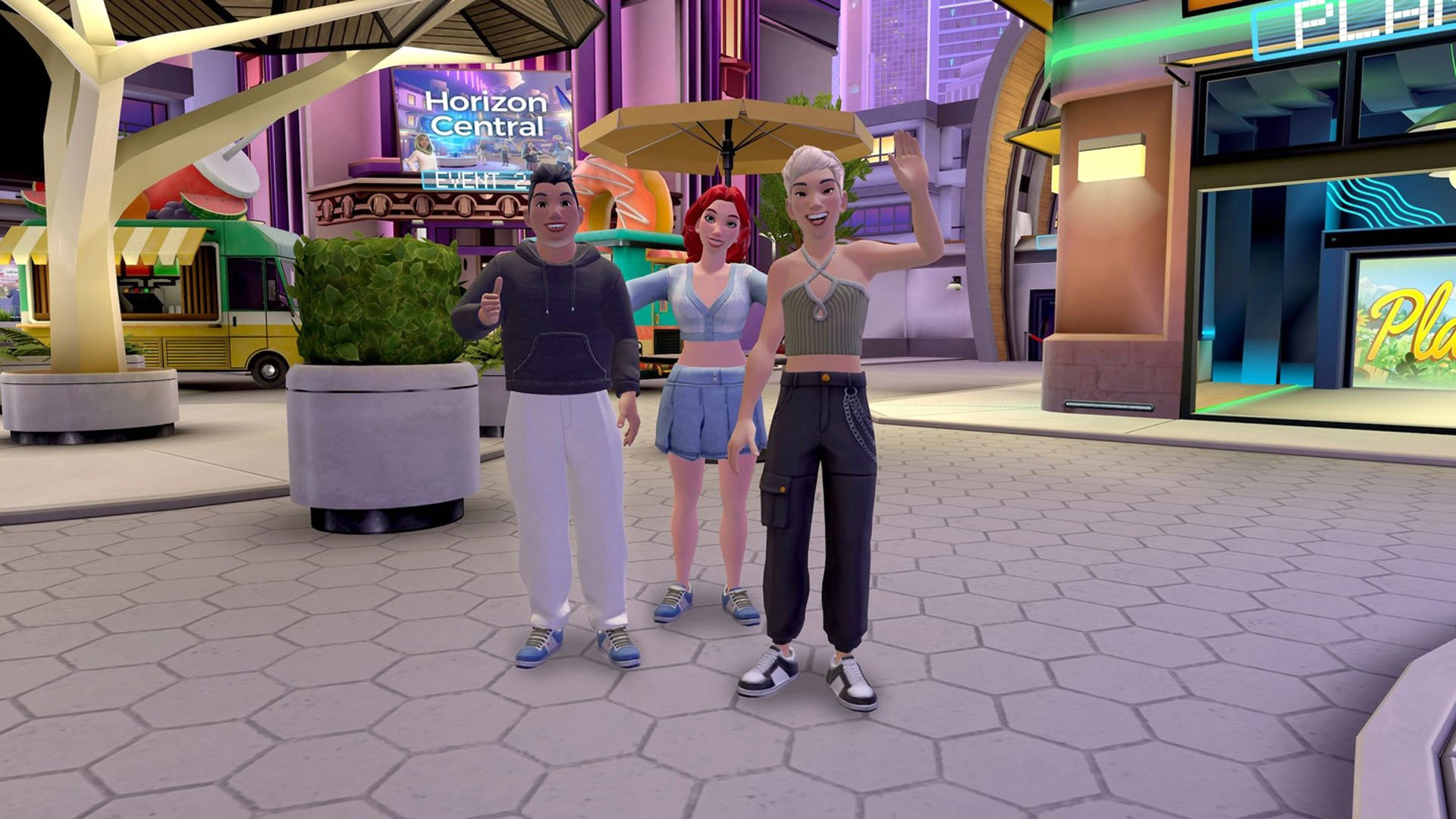
And finally, a few of this got here down to regulate. Ostensibly hoping to keep away from publicly-damaging controversy from the get-go, Meta initially saved a reasonably tight leash on user-generated content material, together with complexity and visible richness of worlds. Even now, person avatars are pretty primary, with the pipeline of customization funneled to purchasable equipment relatively than user-generated avatars, such as you would possibly see in VRChat.
That stated, Horizon Worlds skilled a a lot slower and rockier begin than Meta probably thought it might following its preliminary launch on Quest in 2021. On reflection, Meta’s newer choice to combine user-generated Worlds with precise VR apps within the Retailer feed was most likely a final ditch effort to get Quest customers lastly thinking about Worlds—even when by chance.
The publish Meta Separates ‘Horizon Worlds’ from Quest, Going “virtually completely cell” appeared first on Street to VR.