
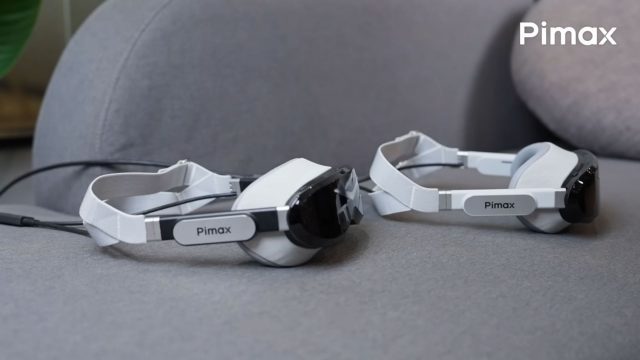
After a number of delays, Pimax has lastly begun delivery its subsequent PC VR headset, albeit in “small batches,” which arrive with a material headstrap—one thing of a brief answer till the corporate can ship out its official headstrap.
The Information
Dream Air is Pimax’s very first thing and lightweight PC VR headset, which is ready to reach with Sony’s high-end micro-OLED panels, packing in a 13.6MP (3,840 × 3,552) per-eye decision.
Now, Pimax instructed Street to VR that it truly started delivery Dream Air in “small batches” earlier than the top of the yr for the needs of exterior beta testing.
Whereas official shipments are set to kick off someday this month, a number of customers have already obtained Dream Air with what Jaap Grolleman, Pimax’s Head of Communications, describes as a stopgap measure to get the primary items out the door.
“We’re nonetheless engaged on the ultimate backstrap, however we don’t wish to make {that a} showstopper to begin delivery and begin accumulating suggestions on the headset,” Grolleman stated in a latest video.
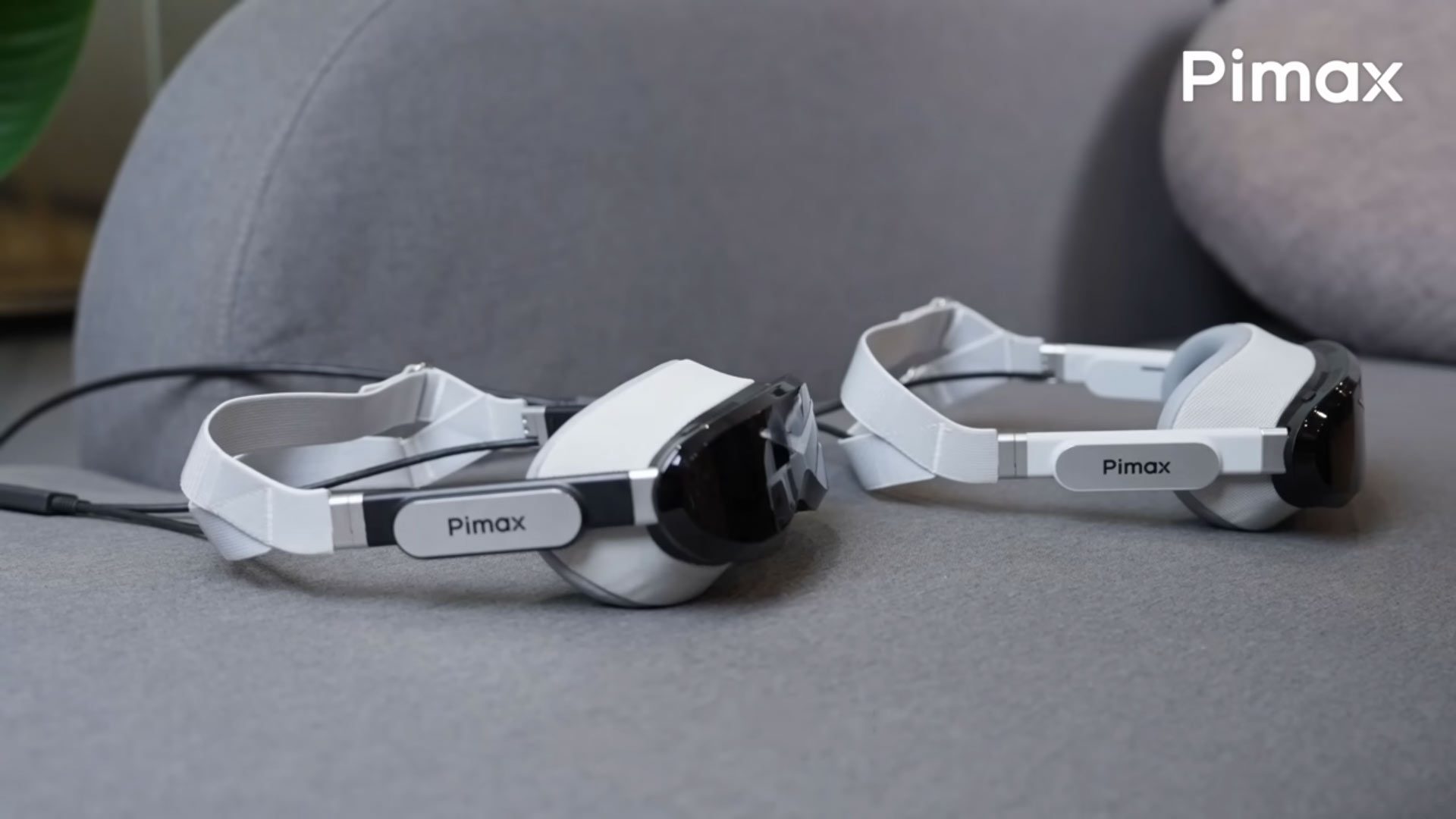
These early batches of Pimax Dream Air are delivery with what the corporate calls its “2D headstrap”, because it’s made out of cloth, with Grolleman noting that it’s “completely high-quality to make use of, even in lengthy periods because it hugs your head from behind and barely above.”
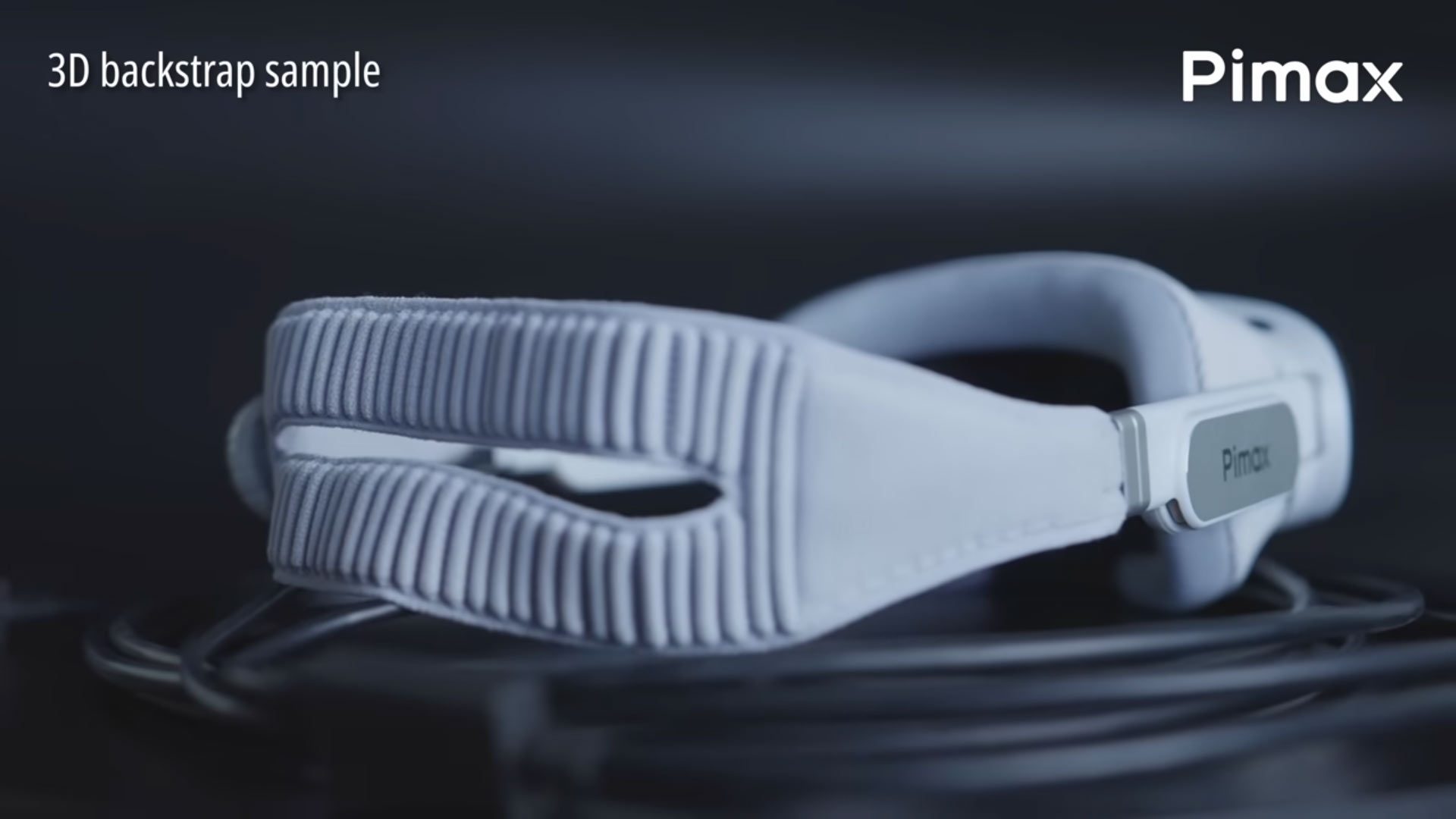
A “3D headstrap”—extra of an Apple Imaginative and prescient Professional-inspired knit affair—is alleged to reach later to who initially obtained the 2D strap with their order.
Pimax hasn’t supplied information on when the 3D strap will arrive, or when the corporate will minimize off shipments together with the 2D strap.
Notably, Pimax says it’s additionally growing a “arduous backstrap,” which incorporates off-ear audio, which shall be accessible someday after Dream Air begins its wider rollout.
As for Dream Air SE—the cheaper variant which makes use of 6.5MP (2,560 × 2,560) per-eye shows—Pimax says small batches will start delivery out in February 2026.
Pimax initially introduced Dream Air final December, because it hoped to enter the emergent skinny and lightweight PC VR headset section, which incorporates entries equivalent to Bigscreen Past and Shiftall MaganeX Superlight 8K. The headset nonetheless suffered quite a few delays following its deliberate Could 2025 launch.
My Take
Should you’ve been following Pimax, you already know that is how they function: official bulletins and preliminary delivery dates really feel extra like strolling right into a brainstorming session, as the corporate typically modifications designs, specs, and launch home windows a number of instances earlier than official launch. Alongside the best way, the corporate normally tends to announce different gadgets, making the reporting course of extra like taking aside a watch to see what time it’s.
On the face of it, you would possibly assume that’s pretty amateurish conduct, however Pimax has confirmed to do what few firms can: publicly iterate with the expectation that it’s going to finally ship.
It’s been that approach ever because the firm funded its unique 2017 Pimax “4K” headset by way of Kickstarter—again when Pimax introduced it was releasing the primary consumer-oriented wide-FOV PC VR headset alongside a bevy of modular equipment. A few of these by no means got here, and a few arrived two years later.
Okay, possibly that was amateurish, however the firm continues to be right here, and nonetheless serving up aggressive {hardware}, which says one thing.
The publish Pimax Dream Air Begins Transport in “small batches” With Short-term Headstrap appeared first on Street to VR.